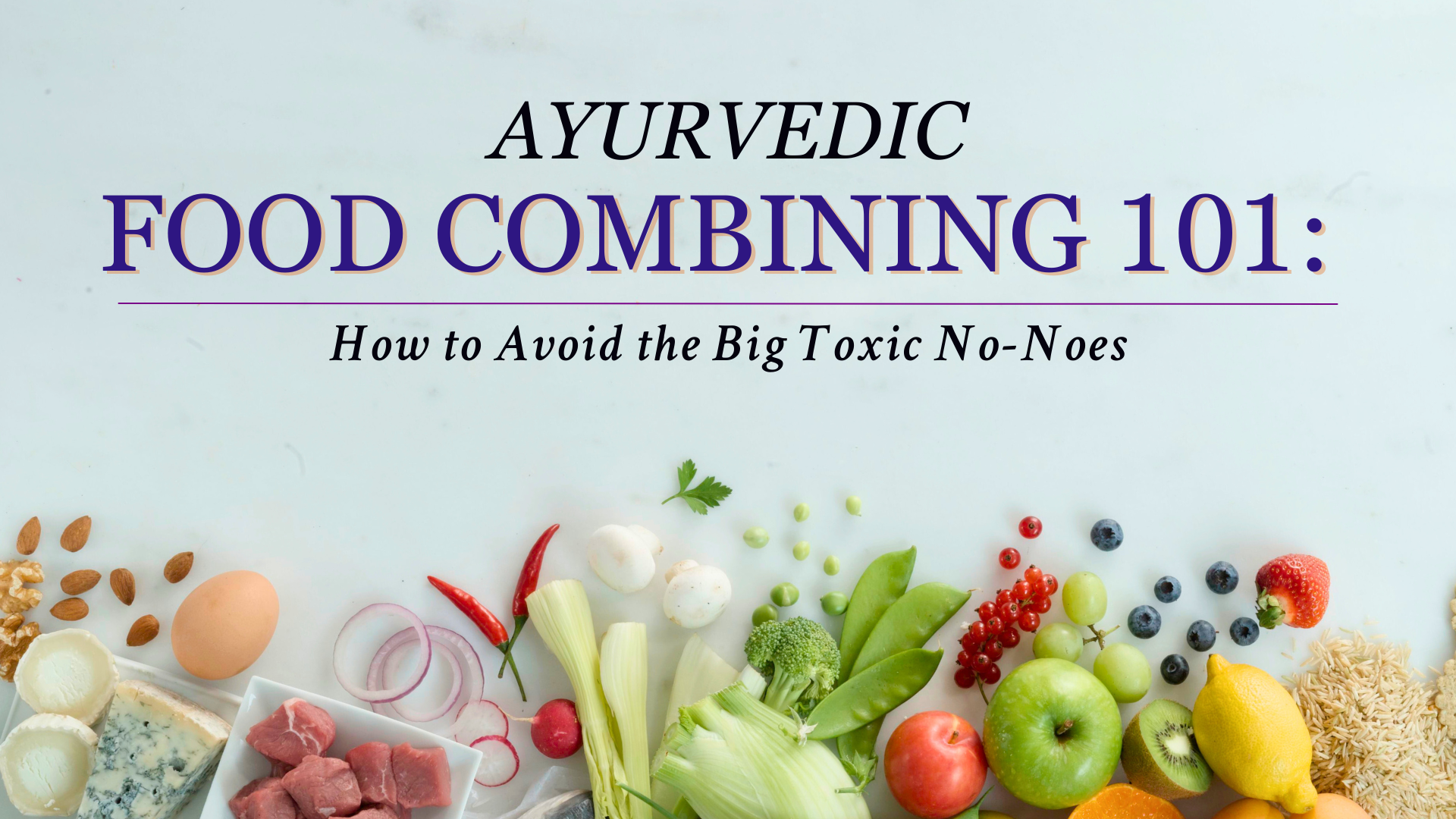
From Ancient Wisdom to Modern Fad: Tracing the Roots of Food Combining
The concept of
food combining, a dietary practice centered on the belief that certain foods should not be eaten together, has captivated health enthusiasts for centuries. Proponents claim that by strategically pairing or separating specific food groups, one can optimize digestion, reduce toxin buildup, and unlock enhanced overall health. This approach hinges on the idea that incompatible foods interfere with the body's enzymatic processes, leading to digestive distress and other ailments. But where did this intriguing—and often controversial—idea originate, and how did it evolve into the various forms we see today? From ancient Ayurvedic principles to early 20th-century Western diets, the journey of food combining is a fascinating blend of historical tradition and modern health pursuits.
The Ayurvedic Foundation: Balancing Energies, Not Enzymes
The deepest roots of food combining stretch back thousands of years to ancient India, embedded within the holistic healing system of Ayurveda. Unlike modern interpretations that focus on enzymes and pH levels, Ayurvedic medicine approached food compatibility through the lens of balancing bodily energies and promoting digestive harmony, known as *Agni* (digestive fire).
A central tenet in Ayurveda is *viruddha ahara*, or "incompatible foods." This principle, profoundly articulated in foundational texts like the *Charaka Samhita* (composed between approximately 100 BCE and 200 CE), identifies food pairings that contradict or oppose each other in their effects on the body. These incompatibilities were classified based on qualities like taste (*rasa*), potency (*virya*), and post-digestive effects (*vipaka*), with no reference to modern concepts such as enzymes or acid-base balance.
Ayurveda posits that such contradictory combinations can vitiate the three doshas—Vata, Pitta, and Kapha—leading to an accumulation of toxins (*ama*) and manifesting as various ailments. For instance, the *Charaka Samhita* warns against combinations like milk with fish (due to conflicting potencies) or honey heated to boiling with ghee (as this alters its molecular structure, creating a toxic compound). The focus was on the subtle energetic impact of food on the body's internal environment, guiding individuals towards mindful eating to maintain balance and prevent disease. This ancient wisdom provided a comprehensive framework for understanding how food interacts with individual constitutions, far beyond mere calorie counting.
Western Introduction: Trophology and the Hay Diet Revolution
While Ayurvedic principles remained largely confined to the East for millennia, the concept of specific food pairings for health began to gain traction in the Western world in the mid-19th century. Initially, it appeared under the somewhat scientific-sounding term "trophology," referring to the study of food and nutrition, but also encompassing ideas about optimal food combinations.
However, it was in the early 20th century that
food combining truly captured the Western public's imagination, largely due to the influential work of American physician William Howard Hay. Hay, suffering from kidney disease and high blood pressure, developed his dietary approach after conventional medicine failed to improve his condition. His "Hay Diet," introduced in the 1930s, became immensely popular and laid the groundwork for many modern food combining principles.
Dr. Hay's core theory revolved around the idea that the simultaneous digestion of proteins and starches creates an overly acidic environment in the stomach, hindering optimal digestion and leading to various health problems, including "acidosis" and weight gain. He classified foods into three main categories:
- Acid-forming foods: Primarily proteins like meats, fish, eggs, and dairy.
- Alkaline-forming foods: Starches such as grains, bread, potatoes, and pasta.
- Neutral foods: Non-starchy vegetables and fats, which could be combined with either acid- or alkaline-forming foods.
The fundamental rule of the Hay Diet was simple: do not combine acid-forming proteins with alkaline-forming starches in the same meal. For example, steak should be eaten with non-starchy vegetables but never with potatoes or bread. Fruits were to be consumed alone or on an empty stomach to prevent fermentation, a belief rooted in the idea that fruits digest much faster than other foods. Hay claimed that by adhering to these rules, individuals could prevent acidosis, promote efficient digestion, and achieve weight loss.
Core Principles and Modern Interpretations of Food Combining
Building upon Hay's work and ancient traditions, various forms of
food combining have emerged, sharing several common tenets. While specific rules might differ, the underlying philosophy remains consistent: certain food combinations are detrimental to digestion, while others are beneficial.
Here are some of the most commonly advocated principles in contemporary food combining diets:
- Fruits Alone: Often considered the "fastest" digesting food, fruits are typically advised to be eaten on an empty stomach or entirely separately from other food groups to prevent fermentation and gas.
- Separate Proteins and Starches: This is arguably the most recognized rule, echoing Hay's original principle. The belief is that protein digestion requires an acidic environment (hydrochloric acid, pepsin), while starch digestion requires an alkaline environment (ptyalin in saliva, amylase in the small intestine), and these processes interfere with each other. Therefore, meat should not be eaten with bread, potatoes, rice, or pasta. Instead, proteins are combined with non-starchy vegetables.
- Proteins with Non-Starchy Vegetables: This pairing is generally encouraged, as non-starchy vegetables are considered neutral and complementary to protein digestion.
- Starches with Non-Starchy Vegetables: Similarly, starches are often paired with non-starchy vegetables.
- Fats with Starches or Non-Starchy Vegetables: Fats are generally considered neutral and can be combined with either starches or non-starchy vegetables.
- Dairy Alone: Dairy products are often advised to be consumed on their own, especially milk, due to the belief that they curdle in the stomach and impede the digestion of other foods.
Proponents of these rules frequently report reduced bloating, improved bowel regularity, increased energy levels, and successful weight management. They argue that by simplifying the digestive process, the body can allocate more energy to other functions, leading to overall well-being. For a deeper dive into these principles and their modern relevance, see
Food Combining: Unpacking Principles & Modern Nutrition Views.
The Scientific Lens: What Modern Nutrition Says
Despite the enduring popularity and anecdotal success stories, modern scientific evidence largely does not support the fundamental tenets of
food combining. The human digestive system is remarkably robust and highly adaptive, designed to efficiently process mixed meals through a sophisticated interplay of enzymes, acids, and bases.
The stomach, for instance, secretes hydrochloric acid, which provides the highly acidic environment necessary for protein digestion via pepsin. Simultaneously, the stomach's churning action thoroughly mixes food, and as this acidic mixture moves into the small intestine, the pancreas releases bicarbonate to neutralize the acid and a wide array of enzymes (including proteases for protein, amylases for carbohydrates, and lipases for fats) that function optimally in a more alkaline environment. These enzymatic actions largely overlap and are not mutually exclusive.
A notable randomized controlled trial conducted in 2000 explored the efficacy of a food-combining diet for weight loss. The study, involving 54 obese patients, found that a low-energy food-combining diet resulted in similar weight loss (approximately 6-7 kg over 6 weeks) and comparable metabolic improvements as a balanced diet with equivalent calories and macronutrients. This indicated no unique advantages of food combining over a calorically matched, traditional diet.
Modern nutrition experts generally view food combining as a pseudoscientific fad that can complicate healthy eating without providing proven benefits. The positive outcomes often attributed to food combining, such as weight loss or improved digestion, are typically due to other factors inadvertently introduced by the diet:
- Increased focus on whole foods: Many food combining diets naturally encourage consuming more non-starchy vegetables and less processed food.
- Reduced calorie intake: Restrictive eating patterns can lead to overall lower calorie consumption.
- Mindful eating: Adhering to specific rules often requires greater attention to what one eats, fostering more mindful consumption habits.
Rather than rigid rules about combinations, experts recommend a varied, nutrient-dense diet rich in whole foods, tailored to individual needs and preferences. While the historical journey of food combining from ancient Ayurveda to the Hay Diet is rich and compelling, its scientific basis remains largely unproven. For further reading on the scientific debunking, explore
Food Combining: The Science Behind Digestion & Weight Loss.
In conclusion, the practice of
food combining has a fascinating lineage, evolving from the holistic, energetic principles of Ayurvedic medicine to the more biochemically-focused theories popularized by individuals like William Howard Hay. While its historical narrative speaks to a persistent human quest for optimal health through diet, modern scientific scrutiny suggests that the human digestive system is far more adaptable than food combining theories propose. Ultimately, focusing on a diverse, balanced diet of whole foods, listening to your body's unique signals, and maintaining overall healthy lifestyle choices offers a more evidence-based path to well-being than adherence to strict food combining rules.